The first five years shape how children think, feel, and relate to others. A good daycare turns daily moments—snack, play, rest, clean-up—into small lessons that add up. Children meet caring adults, practice words, and learn to handle big feelings in safe ways. They explore simple numbers, ramps, rhythms, and stories. They also learn how to wait, listen, and try again. This steady mix of play and structure supports healthy brain wiring. It also helps families, because routines at school often spark better routines at home. When the setup is thoughtful, gains last well beyond preschool. Below are ten long-term benefits parents can look for, with plain explanations and small “technical” checks you can ask about during a tour.
- Daily Play That Builds Steady Social Skills
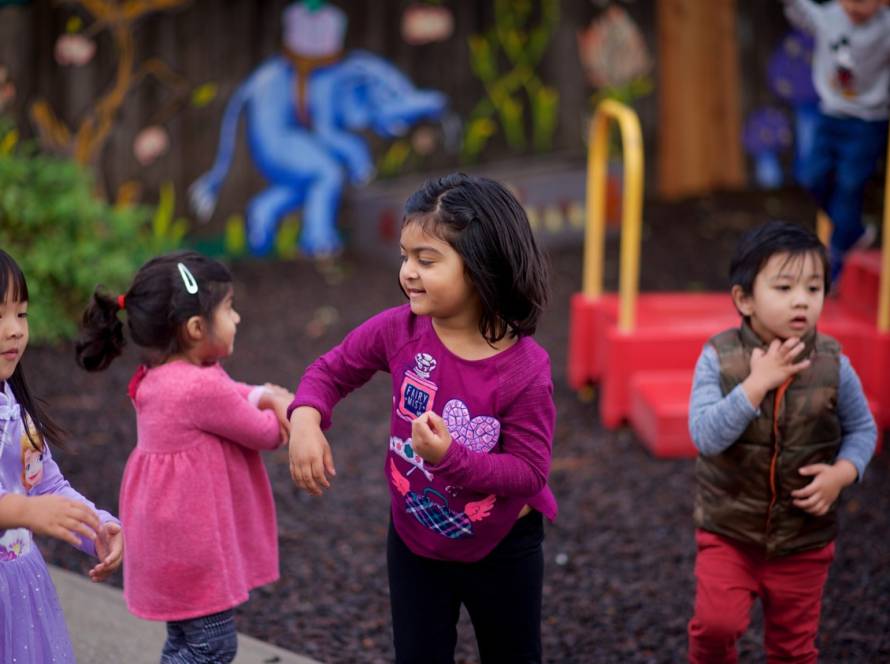
Children grow social skills by doing, not by lectures. In a strong room, playgroups are small, rules are clear, and teachers coach language during tough moments. Over months, kids learn to share space, read faces, and use short phrases to solve problems: “Can I have a turn?” or “Let’s build together.” Because these cues are used many times each day, the habits stick. You’ll notice fewer tug-of-war moments and more teamwork on the block rug.
- Look for posted group rules in simple, positive words.
- Ask how teachers guide conflict in real time.
- Check ratios: Many aim for a ratio of 1:6–1:8 for toddlers and 1:10 for preschoolers.
A practical sign of quality is “parallel-to-cooperative” play progression: children move from playing side-by-side to playing with others. Staff who plan for this shift help children carry strong social habits into kindergarten.
- Talk-Rich Moments That Boost Early Language Growth
Language grows fastest during back-and-forth talk. Teachers who notice a child’s “serve” (a point, a sound, a word) and “return” with warm eye contact and extra words build strong pathways for speech and listening. Songs, finger plays, and daily read-alouds add rhythm and new vocabulary, while simple retell prompts—“What happened first?”—build story sense.
- Ask about the number of short exchanges per child each day.
- Look for print-rich walls with names, labels, and child dictation.
- Check that teachers narrate actions: “You stacked the tall blue block.”
Many programs aim for 30–60 quick exchanges per child, per day. That count sounds “technical,” but it’s just steady talk. Over time, richer talk improves phonological awareness (hearing sounds in words), which supports later reading. You should also see home-language support when possible—dual labels and greetings help every child take part.
- Healthy Routines Support Brain And Body Development
Brains love patterns. A day that flows—greet, play, snack, outside, story, rest—lowers stress and frees attention for learning. Children feel safer when they can predict what comes next. Quality rooms balance loud and quiet times, bright and calm spaces, and seated and active tasks. Clean air and regular hand-washing reduce sick days, which boosts steady attendance and growth.
- Ask how often rooms air out and how they track ventilation.
- Check that nap spaces are dim, quiet, and uncluttered.
- Look for at least 60 minutes of active play across the day.
Some centers informally track indoor CO₂ and aim to stay well below 1,000 ppm as a signal of fresh air. That single check, plus open windows or filtered systems, can make a big difference in focus and energy. A smooth routine today becomes self-regulation tomorrow.
- Guided Independence Strengthens Executive Function Skills Daily
Executive function is the set of skills that help us plan, pause, and shift. In daycare, small acts of independence strengthen these muscles: hanging a backpack, pouring water, wiping a spill, or finishing a simple task before switching. Teachers “scaffold” by breaking tasks into steps and fading help as children succeed. Visual cues—photo labels and picture schedules—let kids follow routines without constant reminders.
- Look for child-height shelves and clear, picture-labeled bins.
- Ask how staff prompt, then step back, during routines.
- Notice simple games like “Freeze Dance” that practice impulse control.
When children own parts of the day, they build working memory (what to do next), inhibitory control (wait your turn), and flexibility (try Plan B). Those skills predict smoother transitions in grade school and fewer meltdowns when plans change.
- Warm Relationships Build Trust And Emotional Security
Learning rests on trust. Children need steady adults who notice cues and respond kindly. Many programs assign a primary caregiver who knows each child’s comfort plan—song, soft toy, quiet corner, or a quick walk. Teachers label feelings in plain words and model calm strategies, like “smell the flower, blow the candle.”
- Ask about staff stability and training in responsive care.
- Look for feelings charts and cozy nooks with soft light.
- Check that comfort items from home are welcome.
Low turnover matters. When faces stay familiar, children settle quicker, explore more boldly, and recover from stress faster. Over time, this base of security links to stronger attention, fewer behavior spikes, and healthier peer bonds.
- Hands-On STEM Play Grows Early Problem-Solving Habits
STEM in the early years looks like ramps, cups, sand, magnets, and blocks. Children pour, weigh, stack, and test. They learn that steeper ramps change speed, larger scoops move more sand, and strong bases help towers stand. Teachers ask open questions—“What do you think will happen if…?”—and invite kids to try again.
- Check for loose parts: tubes, clips, scales, and measuring cups.
- Look for simple charts (tallying leaves, bird visits, or block heights).
- Ask how teachers document “ask–test–look–tell” cycles with photos and child quotes.
These tiny experiments shape early reasoning. Kids learn to predict, observe, adjust, and share findings. Later, that habit shows up in math story problems and science labs: try a plan, note what happened, and make a better plan.
- Nutrition And Movement Shape Long-Term Healthy Habits
Food and motion fuel growth. Quality menus favor whole grains, fruits, vegetables, and water, with sugary drinks kept away from daily routine. Family-style service—small pitchers, child tongs—teaches serving skills and portion sense. Movement shows up in many short bursts: outdoor play, music and motion, balance paths, and simple yoga shapes.
- Ask about ingredient lists and how allergies are handled.
- Look for easy access to water at child height.
- Check screen rules; many rooms avoid screens with younger ages.
Simple technical checks: toddlers often need 11–14 hours of total sleep in 24 hours; many programs aim for at least an hour of active play across the day. When these basics are steady, children arrive at later grades with better focus and stamina.
- Classroom Community Deepens Cultural Awareness And Empathy
Children do better when they see their family stories in the room. Strong programs greet names correctly, use home-language labels beside English, and invite family songs and photos. Books, dolls, food play, and art choices reflect many cultures without turning any child into a “theme.”
- Look for a family photo wall at the child’s eye level.
- Ask how staff review books and toys for representation.
- Notice if holidays are treated as sharing, not costumes alone.
A simple monthly check helps: “Whose stories do our materials show? Whose are missing?” When children see both “me” and “you” in daily play, empathy grows. They learn to listen, include, and care—skills that last long after preschool.
- Playful Structure Raises Lasting School Readiness Skills
Readiness is not rote drills. It’s curiosity, attention, small motor control, and a feel for letters and numbers. Quality programs teach through play: rhymes for sound awareness, counting real objects, pattern work with beads, and story dictation where a teacher writes the child’s words.
- Ask about short, focused small groups with clear goals.
- Look for name-writing practice that moves from tracing to free attempts.
- Check that art, music, and movement are daily, not rare.
Many centers use quick, play-based checks each quarter to spot needs early. Plans are then made in plain steps. When a child heads to kindergarten with these habits, they are more likely to stick with tasks, listen well, and enjoy learning.
- Family And School Partnerships Sustain Growth Across Years
Parents are partners. Good programs share short updates, photos, and honest notes about the day. Teachers listen first, then offer small, doable ideas for home—five-minute picture walks at bedtime, a calm “closing routine,” or a weekend nature list. Families feel respected, not judged, and the child benefits from the same cues in both places.
- Look for two-way tools: notes, quick chats, or text updates.
- Ask how goals are set and reviewed with families.
- Check for workshops on toilet learning, picky eating, or sleep.
A useful loop looks like this:
- Observe
- set a simple goal
- Try a home step
- Follow up
When home and school pull in the same direction, gains stack up month by month.
Conclusion: A Practical Choice With Lasting Results
Quality daycare builds skills that last—kind friendships, rich language, healthy habits, and joy in learning. When you tour, notice the tone of the room, the flow of the day, and how children take part. Ask about talk time, outdoor play, and how staff support feelings. Small things done daily make a big difference over the years. If you are considering options, Creative Montessori Preschool & Daycare offers child daycare focused on steady routines, warm relationships, and playful learning that supports growth now and later.